
Miles & Stockbridge - With the onset of COVID-19, there is increased attention on force majeure clauses – what they are, when they can be invoked, how they operate, and how they might change in the future. This is especially true in construction matters, where many projects have been delayed, often due to some combination of the following: government regulations and executive orders implementing quarantines, stay-at-home orders, or other restrictions; decreased workforce due to illness; unavailability of goods and materials; loss of access to certain job sites because of owner decisions to close or limit access; and other related issues. Regardless of the specific reason that prevents or delays performance, this COVID-19 pandemic is showing many involved in construction contracts—owners, general/prime contractors, subcontractors, vendors, or suppliers— the benefits of critically reviewing their contracts to understand the effects of the presence (or absence) of a force majeure clause.
Courts, Boards, & GAO
Trending Now
OHA Grants Challenge to SDVOSB Status, Finds the Real Boss Was Not a Veteran • Request that GAO Reconsider a Cost Recommendation Falls Flat • No Award, No Size Protest • GAO Overturns Award After VA Credits Awardee for Work It Never Performed • GAO Sustains Protest Over Army’s MAPS Teaming Ban
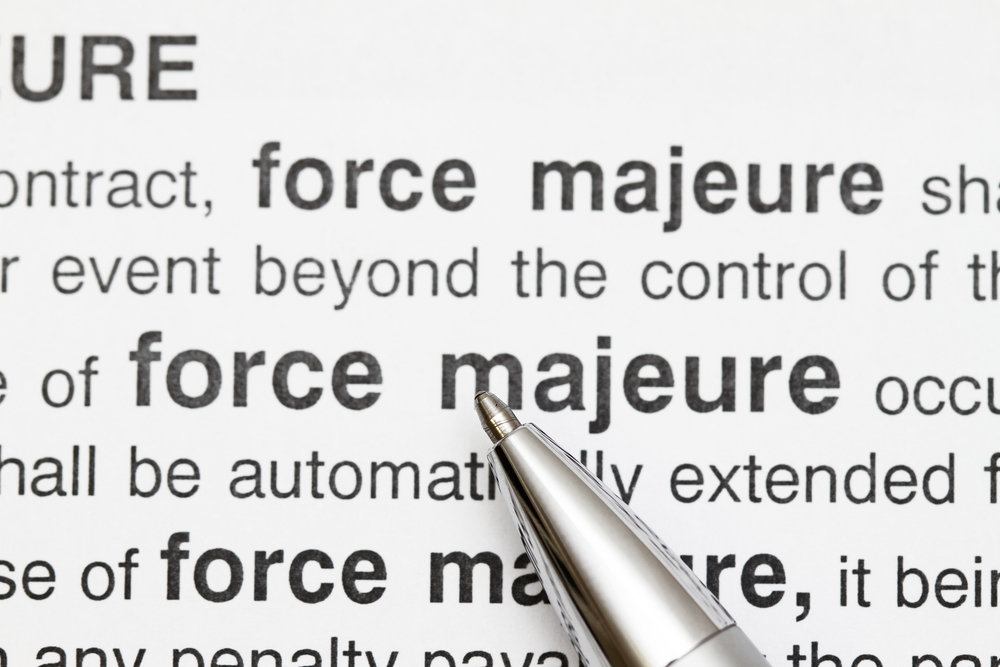
Don’t Underestimate the Force (Majeure)…and Be Sure You Understand It!
RAGMA IMAGES | Shutterstock
Get daily insights on bid protests, CDA claims, and contract litigation that shape the GovCon landscape with our Protests & Claims newsletter, delivering up-to-the-minute intelligence Monday–Saturday — Subscribe here.