






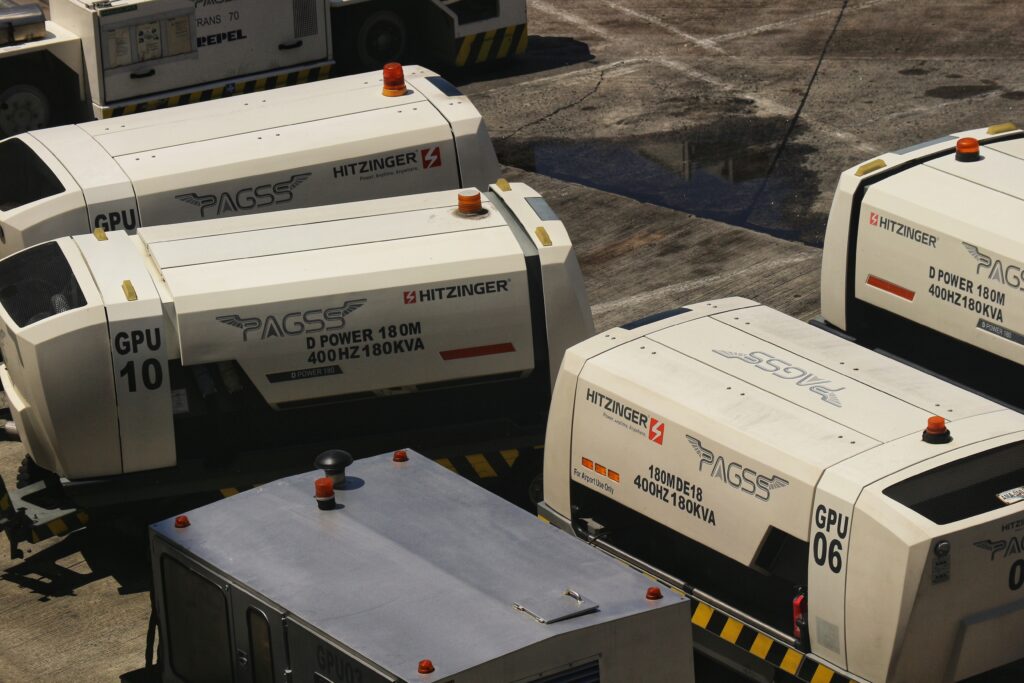
The protester objected to the Army's use of a sole-source award for helicopter Aviation Ground Power Units (AGPUs). The protester moved for a preliminary injunction to enjoin the contract. COFC denied the motion, finding the protester failed to show a likelihood of success on the merits because it failed to demonstrate its own ability to produce compliant AGPU systems.
Hydraulics International, Inc. v. United States, COFC No. 25-312
- Protest - The Army proposed a sole-source award for 202 helicopter Aviation Ground Power Units (AGPUs) and ancillary services, parts, training, and refurbishment. The protester objected to the sole source award and moved for a preliminary injunction. The protester claimed it could provide the same functionalities at a much lower price.
- Likelihood of Success on Merits - The protester claimed the Army overlooked its ability to produce compliance AGPU 1.1 systems. It alleged that when the Army first issued its Other Transaction Authority procurement, 10 U.S.C. § 4022 permitted the Army to award follow-on contracts on a noncompetitive basis. After the award, the statutory framework changed, requiring justification that the Army allegedly failed to meet. The Army stated this change in law was "unrelated" to the issues here. The Army stood by its decision that the awardee was the only vendor that demonstrated an AGPU product that met its requirements.
- Decision - The Court found the protester did not show it was likely to succeed on the merits. It was led to believe the protester did not have a compliant AGPU 1.1 unit, but may later in the year. The protester's claims that its unit was capable of the same functionalities as the awardee's were based on the protester's own assertion that its unit was on par with supposedly lax requirements applied to the awardee's unit.
- Irreparable Harm - The protester claimed it would suffer irreparable harm because it would go out of business if the Court denied its motion. The Court was unconvinced of such harm because the protester had not demonstrated its ability to build compliant AGPU 1.1 systems.
The protester was represented by Howard W. Roth, Jacob W. Scott, and Mark Emilio S. Abrajano of Smith Currie Oles LLP. The agency was represented by Kara M. Westercamp, Douglas K. Mickle, Patricia M. McCarthy, and Yaakov M. Roth of DOJ; and Joseph Van Dusen of the Army. The defendant-intervenor was represented by David S. Cohen and John J. O'Brien of Cordatis LLP.
-- Case summary by Joshua Lim, Assistant Editor.