



The contractor argued it encountered a Type I differing site condition when canal banks collapsed during a flood control project. A Type I claim requires the contractor to first show the contract contained indications of the conditions expected at the site. The Federal Circuit affirmed the ABCA's denial, holding the contract documents contained no representations about subsurface conditions in the area where the problems occurred.
Hamp's Construction LLC v. Secretary of the Army, United States Court of Appeals for the Federal Circuit, No. 24-1528
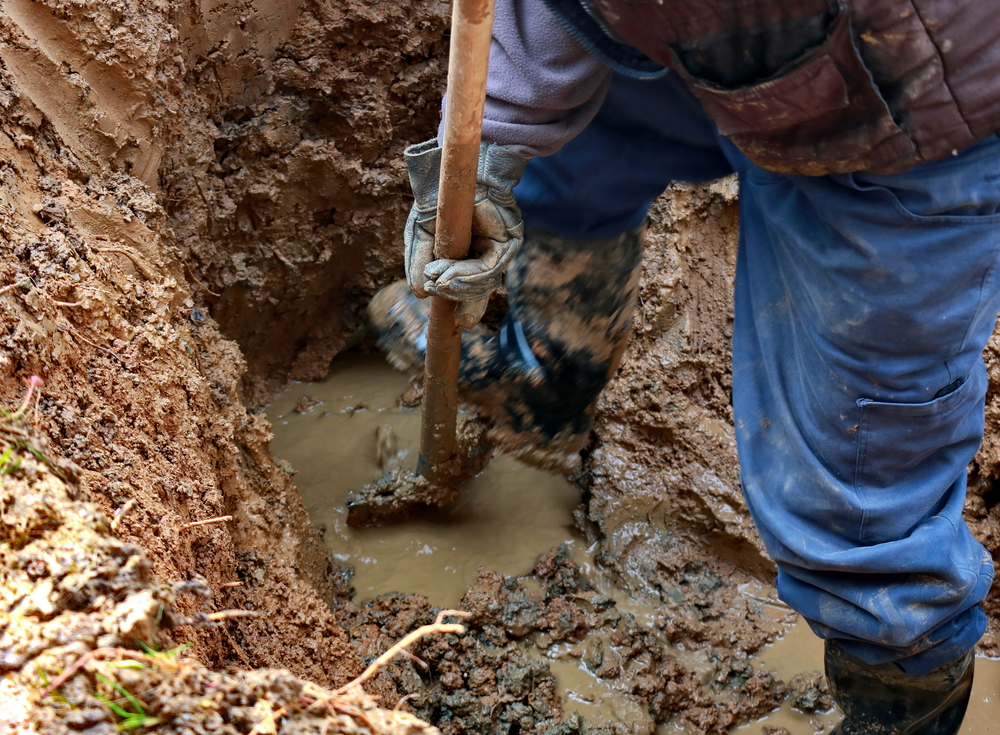
- Background - The Army Corps of Engineers solicited bids for a flood control project on the Trapp Canal in Jefferson Parish, Louisiana. The solicitation included ten boring logs and cross-sections of the canal. The contractor and began work in September 2012. While work on the northern quadrants went smoothly, the contractor discovered bank collapses and depressions on the southwest bank in May 2013. These failures forced the contractor to switch from land-based equipment to barges, causing significant delays and increased costs. The contractor submitted a request for equitable adjustment of nearly $4 million, which the contracting officer denied. The Armed Services Board of Contract Appeals also denied the claim, and the contractor appealed to the Federal Circuit.
- Contract Indications from Boring Logs - The contractor argued the boring logs from other areas of the canal implied that subsurface conditions on the southwest bank would be similar and suitable for heavy equipment. The Federal Circuit disagreed. A Type I differing site condition requires that the contract include some identification of the conditions expected at the site. Only one of ten boring logs was even near the southwest bank, and the contractor's own expert acknowledged the Corps provided no boring data for the area where problems occurred. Substantial evidence—including expert reports noting markedly different soil conditions on the east and west sides, cross-sections showing steeper western banks, and pre-bid photographs showing prior slope failures—supported the Board's finding that conditions on the southwest bank were visibly different and worse than elsewhere. A reasonable contractor would not treat borings from other locations as indicating what to expect on the southwest bank.
- Contract Drawings - The contractor argued that contract drawings showing "Construction Traffic" arrows on the southwest bank implied the bank could support heavy equipment. The Federal Circuit found this argument forfeited because the contractor failed to raise it before the Board. Even reaching the merits, the court noted the contractor did not include the actual drawings in its appeal appendix, offering only witness testimony about arrows on unproduced documents. This was insufficient to constitute an affirmative indication of subsurface conditions.
- Pre-Amendment Solicitation Language - The contractor argued that the original solicitation's prohibition on barges implied the banks were suitable for land-based operations. The court rejected this argument. The Corps removed the barge prohibition before the contractor submitted its bid, replacing it with language contemplating the possible need for barges or specialized equipment. The contractor itself had told the Board this prohibition was "not the basis for its claim."
- Severity of Conditions - The contractor argued the Board improperly minimized the severity of the bank failures and speculated about the ease of repairs without supporting evidence. The Federal Circuit found this argument mischaracterized the Board's decision. The Board actually acknowledged the problems were real and that the contractor reasonably determined the bank was unsafe for heavy equipment. The Board denied the claim not because the problems were minor but because the contractor could not prove the contract contained misleading information about the southwest bank—a threshold requirement for any Type I claim.
The contractor is represented by Matthew Wayne Willis and Sammie Leo Arnold of Arnold, Willis & Conway. The government is represented by Borislav Kushnir, Patricia M. McCarthy, Corinne Anne Niosi, and Brett Shumate of the Commercial Litigation Branch, Civil Division, United States Department of Justice.