
On June 22, the Supreme Court weighed in on a question it explicitly left open in Kokesh v. SEC – whether, and to what extent, the Securities and Exchange Commission in a civil enforcement action may seek “disgorgement” as “equitable relief that may be appropriate or necessary for the benefit of investors”. In an 8-1 decision, the Court in Liu v. SEC concluded that a disgorgement order can indeed qualify as “equitable relief,” subject to certain limitations. The case has important implications for how the SEC may seek disgorgement remedies in the future under the Foreign Corrupt Practices Act and in other securities-related actions.
Regulations, Compliance, & Enforcement
Trending Now
Proposed DFARS Rule Could Require Disclosures and Mitigation Related to Foreign Ownership, Control, and Influence (FOCI) on Certain Unclassified Contracts • OMB Plans to Make IT Contract Data Collection Public, Per Federal CIO • The DOJ Wants Strong FCA Whistleblower Lawsuits From Data Miners • US Investors Warm to Ukrainian Defense Startups—But Export Laws Slow Cooperation • Virginia Expands Restrictions on Employee Non-Compete Agreements
Kokesh’s Open Question Resolved: SCOTUS Upholds but Limits Equitable Disgorgement in SEC Civil Actions
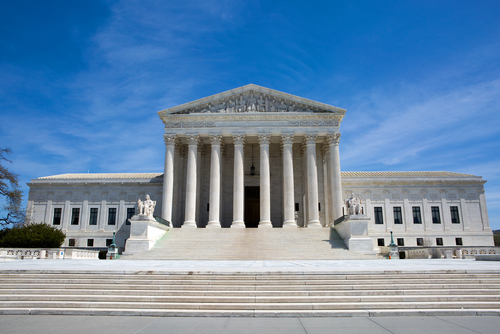
Steven Frame | Shutterstock
Track False Claims Act cases, audit trends, and compliance best practices with our Compliance & Enforcement newsletter, delivering up-to-the-minute intelligence Monday–Saturday — Subscribe here.