
Cybersecurity, Privacy, & AI

Trending Now
Report From FDLI Annual Meeting: FDA’s Expanding Use of AI – What Regulated Industry Should Know • NIST Revises SP 800-70 | National Checklist Program for IT Products: Guidelines for Checklist Users and Developers • Cyberattacks Are Now Part of US Counterterrorism Strategy • What’s Driving the Air Force OT Cyber Office’s Massive FY 2027 Budget Request? • DHS Units to Re-Up Contract With Controversial Mobile Device Data Extractor

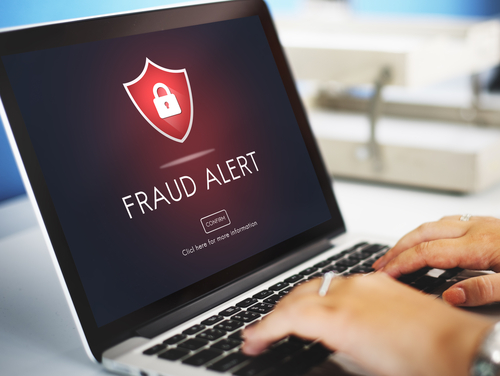
Don’t Let COVID-19 Lure You In: Phishing and Malware Attacks Skyrocket During Coronavirus Crisis

Rawpixel.com | Shutterstock

As people scramble to identify trustworthy information about the spread of COVID-19, how they can protect themselves, and how they can get tested, spammers and scammers have taken advantage of vulnerable telecommuters. For example, in just the past week, media outlets have reported on the following scams:

  • Email phishing schemes include the use of organizations’ names that would normally seem legitimate.
  • Website domains that appear to keep track of COVID-19 updates and health information, but prompt users to download apps to access this information.
  • Online sellers are purporting to have highly sought-after cleaning and household supplies in stock, taking money but not delivering.
  • Fake charities that can be a completely made up organization or one that closely resembles names of established charities.

More at Taft

Stay compliant and protected with daily updates on cybersecurity, data privacy, and federal oversight with our Cyber & Privacy newsletter, delivering up-to-the-minute intelligence Monday–SaturdaySubscribe here.