

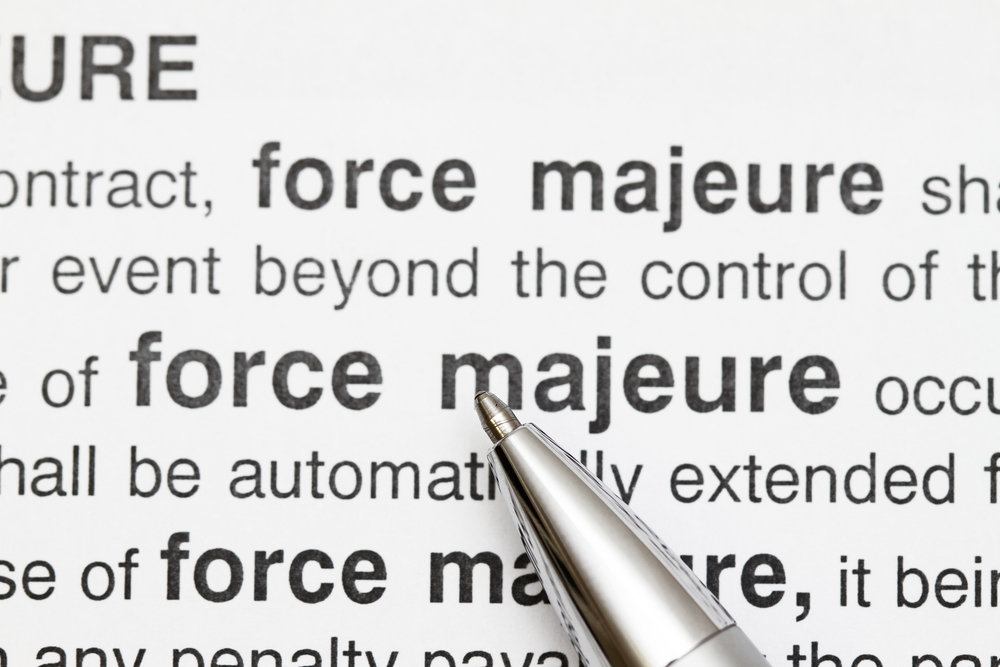
With the recent onslaught of ransomware attacks, it’s time to revisit force majeure clauses (again). Earlier in the pandemic, we reviewed how COVID-19 could impact force majeure provisions. Since then, there has been a flurry of analyzing, renegotiating, and testing contractual language, as parties work through, or anticipate, pandemic-related difficulties. While contracting parties focus on striking a balance of when, and to what extent, a party’s performance will be excused due to pandemic-related circumstances, a different threat could follow a similar trajectory. As cyber criminals target critical infrastructure, companies need to worry not only about the security of an individual entity, but also about widespread disruption to the broader supply chain and economy as a whole.
Source:
- Morgan Lewis: Phishing for Force Majeure – What’s the Catch?