


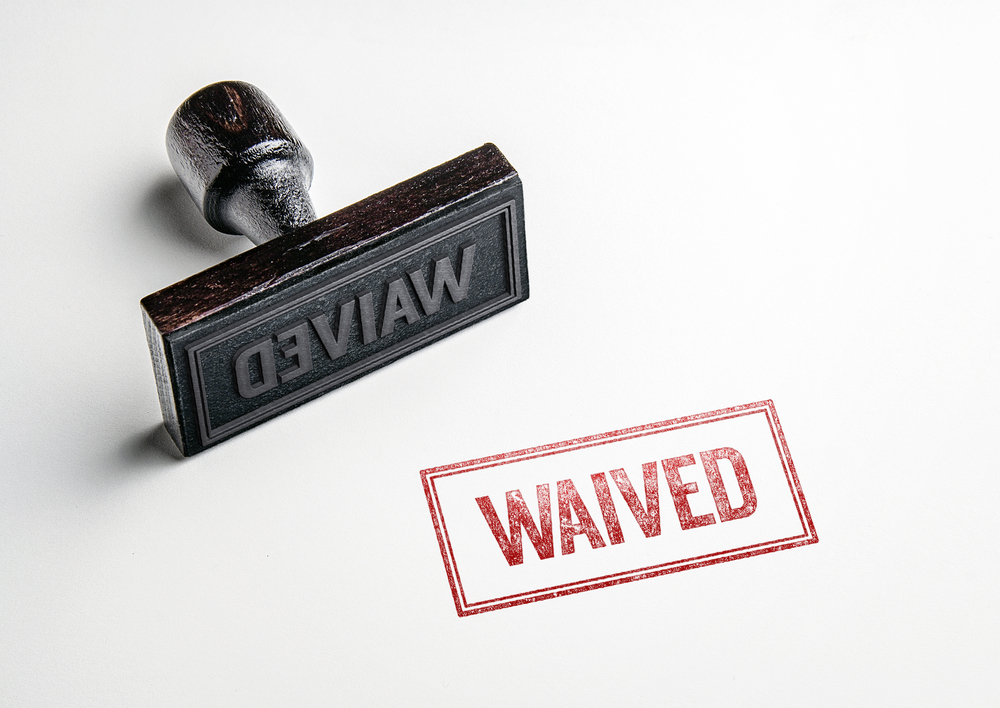
The protester alleged that the awardee had significant OCIs. The agency investigated and determined there were no conflicts. Nevertheless, just to be safe, the agency waived any conflict. The protester challenged the sufficiency of the waiver, arguing that the agency had not set forth the extent of the conflict it was waiving because, in the agency's view, there was no conflict. But GAO reasoned that an agency need not concede a conflict to waive it. Here, the agency had complied with the FAR requirements for waiving a conflict. That was all the agency needed to do. GAO denied the protest.
MAG DS Corporation, GAO, B-423396.3 et al. February 2, 2026**
- Background - The protester filed the protest after a task order was awarded to the awardee on February 26, 2025, citing multiple OCIs and challenging aspects of the evaluation process.
- OCI Waiver- The protester argued that the awardee faced multiple OCIs that should have disqualified it from receiving the contract. The agency conducted an OCI investigation and concluded there were no unmitigated conflicts. Still, the agency ultimately waived the awardee's conflicts. The protester challenged the waiver. The protester reasoned that the agency had not, and could not, sufficiently explain the extent of the conflicts in executing the waiver. But GAO didn't see a problem. An agency need not concede a conflict to waive the conflict. GAO found the agency's waiver of any potential OCIs was valid and met FAR requirements.
- Unawarded Strengths - The protester contended that the evaluation process failed to consider material strengths in its proposal. But GAO determined the agency had reasonably evaluated both the transition and technical factors of the proposals. Although the protester believed it had a superior proposal, GAO upheld the agency’s findings that the proposal did not significantly exceed the relevant requirements that would justify a higher score.
- Cost Evaluation - The protester raised concerns that the agency failed to conduct an adequate cost realism analysis, contending that the awardee’s prices were unrealistically low. GAO emphasized that agencies are not compelled to adjust proposed rates simply because they differ from incumbent costs. The awardee's prices were evaluated against actual pay rates, and GAO concluded the agency's cost evaluation was reasonable and compliant with the solicitation requirements.
- Responsibility Determination - The protester also contended that the agency didn't conduct a proper responsibility determination of the awardee. The protester argued that the agency had not considered an agreement concerning suspension and debarment on the awardee's SAM profile. Nonetheless, GAO found that the contracting officer had reasonably explained that the agreement was not listed in the report the agency received or in SAM when the agency made the responsibility determination. Thus, the contracting officer had not ignored the agreement.
The protester is represented by Aron C. Beezley, Patrick R. Quigley, and Gabrielle A. Sprio of Bradley Arant Boult Cummings LLP. The intervenor, ManTech Advanced Systems International, Inc., is represented by Amy C. Hoang, Erica L. Bakies, and Sarah E. Barney of Seyfarth Shaw LLP. The government is represented by Jacquelyn Weih, Jonathan A. Hardage, and Hannah Schaeffer of the Department of the Army. GAO attorneys Heather Self and Peter H. Tran participated in the decision.