

The contractor challenged a default termination, arguing it should be converted to a termination for convenience. The Board had to determine whether the contractor's failures—missing inventory deadlines and failure to remove sludge from cooling towers—constituted excusable defaults. The contractor argued its failures were excusable because the government didn't provide maintenance manuals or inventory lists. The Board found these excuses unpersuasive. The default termination stood, though the Board awarded payment for limited work performed before the stop-work order.
Appeal of DSME Construction Co., Ltd., ASBCA No. 63878
- Background - The Army awarded DSME Construction a $2.27 million contract to provide maintenance and repair services in South Korea. The contracting officer terminated the contract for default on October 17, 2023, citing the contractor's failure to submit timely equipment inventories and inadequate sludge removal from cooling towers. A month later, instead of appealing the termination directly, the contractor submitted a certified claim requesting conversion to a convenience termination and $2 million in damages. The contracting officer denied the claim on January 22, 2024. The contractor appealed that denial.
- Jurisdiction - A threshold issue arose because the contractor didn't appeal the original default termination within 90 days, but instead filed a conversion claim. The government challenged jurisdiction, arguing the appeal window had closed. The Board disagreed. When a contracting officer entertains and reconsiders a contractor's claim for conversion of a default termination—examining the contractor's excuses and addressing payment issues—that effectively reconsiders the original termination decision. The January 2024 decision was effective as a reconsideration of the default. Since the contractor appealed within 90 days of that reconsideration decision, the Board had jurisdiction.
- Equipment Inventory - The contract required the contractor to inventory all equipment and submit a report within 70 days of phase-in start. The contractor admitted it didn't submit an accurate inventory until August 31, 2023—more than two months late. The contractor offered several excuses: the government didn't provide an inventory list until April 26; the government's list was inaccurate; the government impeded building access; and the government didn't respond to the contractor's June 7 list. The Board rejected these excuses. Nothing in the contract required the government to help the contractor conduct its inventory. The contractor provided no evidence of impeded access. The contractor's failure to meet the inventory deadline was not excused.
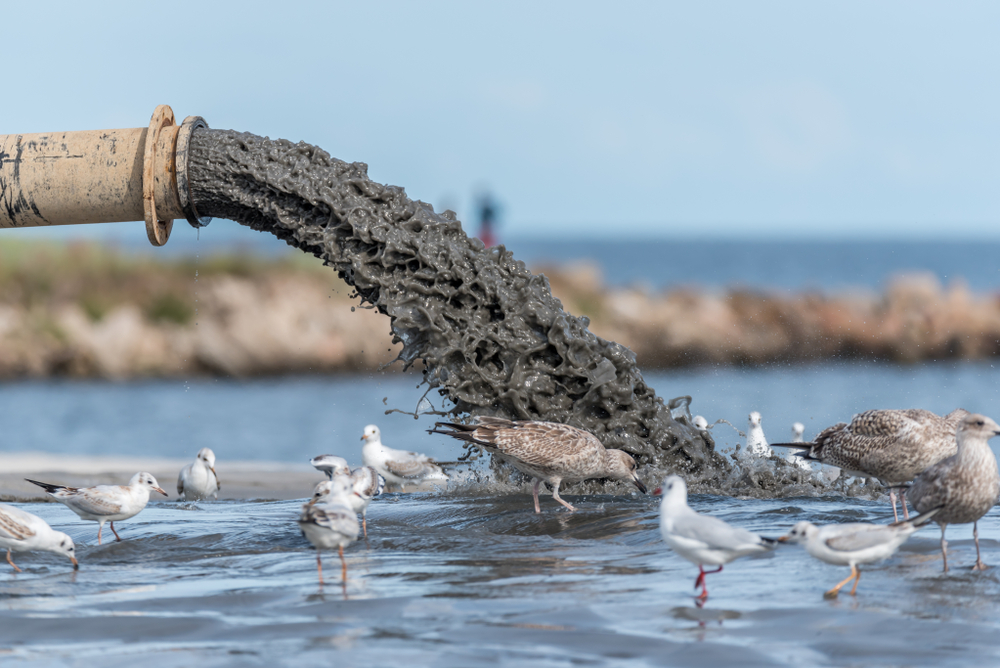
- Sludge Removal - The Performance Work Statement required the contractor to remove sludge from cooling towers "every other week or more frequently." The contractor was responsible for 29 cooling towers, but only removed sludge once from three of them—a clear default. The contractor blamed the government for not providing cooling tower manuals, citing a PWS provision requiring preventive maintenance per the manufacturer's recommendations. The Board found this excuse unconvincing. Nothing required the government to provide manuals. The contractor also claimed that the cooling towers hadn't been chemically treated for 6 months prior to July 2023, leading to sludge hardening. But the contractor admitted it successfully removed sludge from three towers without pre-treatment or manuals. The default was not excused.
- Payment for Work Performed - The contractor claimed approximately 2 million KRW for work performed. The government admitted it owed 97,174,240 KRW (about $65,699) for work performed before the stop-work order. The government suggested interest shouldn't accrue. The Board disagreed. Under 41 U.S.C. § 7109(a)(1), interest runs from the date the contracting officer receives the contractor's claim. Since the government admitted owing this specific amount and the contractor's November 16, 2023, claim included August 2023 work, the Board awarded 97,174,240 KRW with interest from November 16, 2023.
The contractor is represented by Yong Eui Song of Central IP & Law, Seoul, Korea. The government is represented by LTC Bruce A. Nessler, CPT Natalie W. McKiernan, MAJ Katharine M. Calderon, and Dana J. Chase, Army Chief Trial Attorney.