

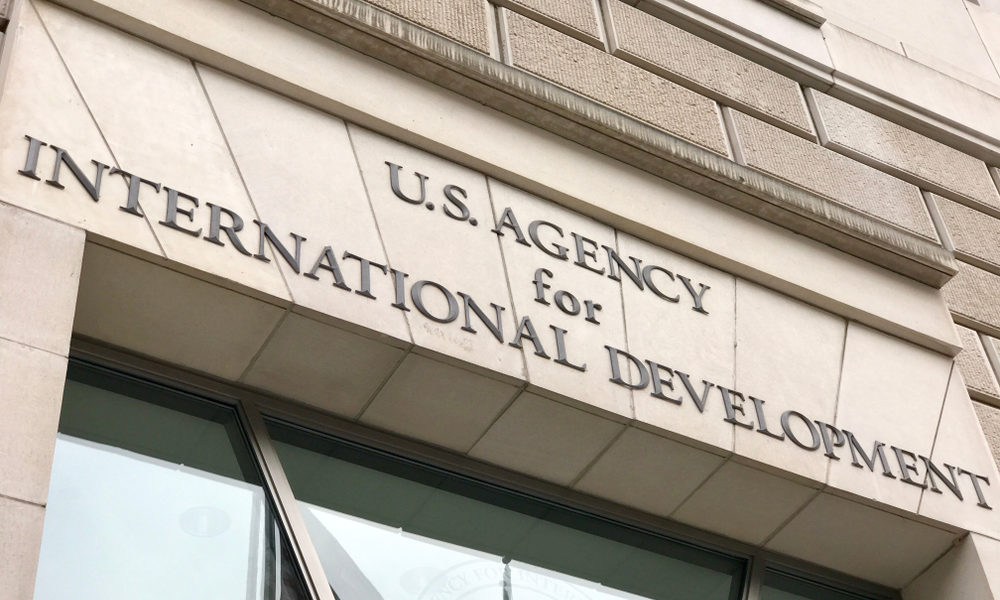
The USAID Deputy Administrator, Isobel Coleman, announced the leveraging of Global Fragility Act (GFA) funding to facilitate private investment in preventing and addressing humanitarian needs. Note that GFA was authorized at $200 million per year, but Congressional appropriations provided only $135 million last year.
USAID will partner with the U.S. Development Finance Corporation (DFC) to create a specialized unit to focus on investment opportunities in riskier, fragile environments.
In the announcement at the UNGA, Deputy Administrator Coleman provided several factoids that reinforce the need to align humanitarian, development, and peace efforts. The idea of linking relief to development has been around for decades. What has changed is the funding levels and context:
- More than 80% of the countries where USAID works (roughly 2 billion people) are fragile or conflict-affected states
- Humanitarian assistance has tripled in the last 10 years, while development assistance remains flat
- More resources are going into crisis responses than longer-term preventative measures.
USAID efforts to link or align humanitarian, development, and peace efforts should recognize that the organizations providing humanitarian assistance also implement separate awards to provide development assistance. The challenge of alignment is in Washington, not in the field.
Read the announcement here